Making Vinegar

I learned how to make pineapple vinegar last winter, but never blogged about it, and since I had another pineapple to cut up and eat I decided to make another batch of vinegar and share the process.

Vinegar making is very simple. All that is needed is some type of organic matter (usually fruit) sugar, water, air and yeast.

The great thing about making your own vinegar is that you can use then entire plant, instead of throwing away portions of it.

For pineapple vinegar, just slice a pineapple as you normally would, eating the fruit, but saving the peel and core. Give the peel a good rinse in water.

Then in a jar (I used a quart size and half gallon jar) add about 1/3 cup sugar.
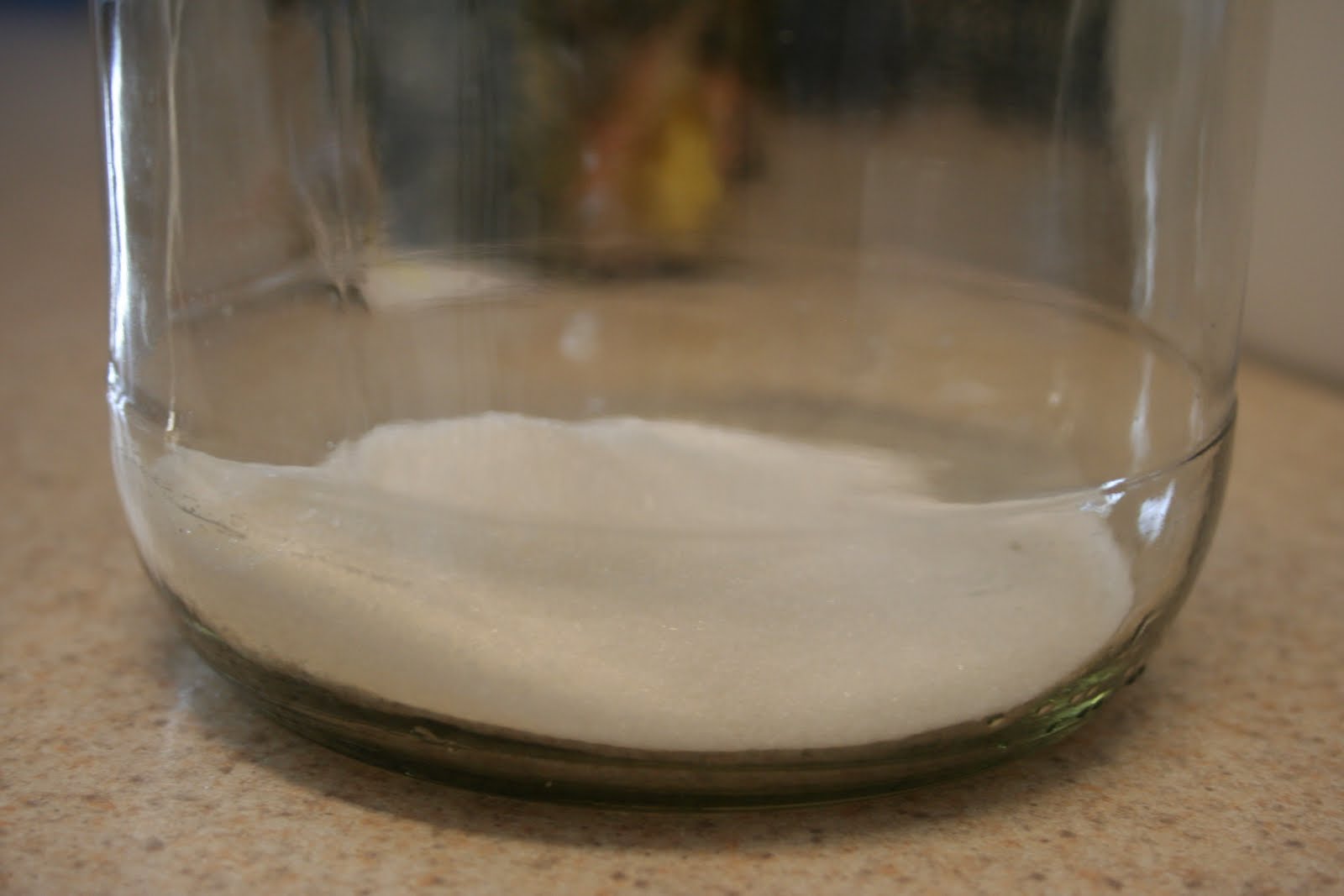

Then some water, and stir it until the sugar dissolves.


Once the peel is rinsed, cut it up into good sized chunks.


Put it in you jars and add enough water to fill the jar and cover the fruit.
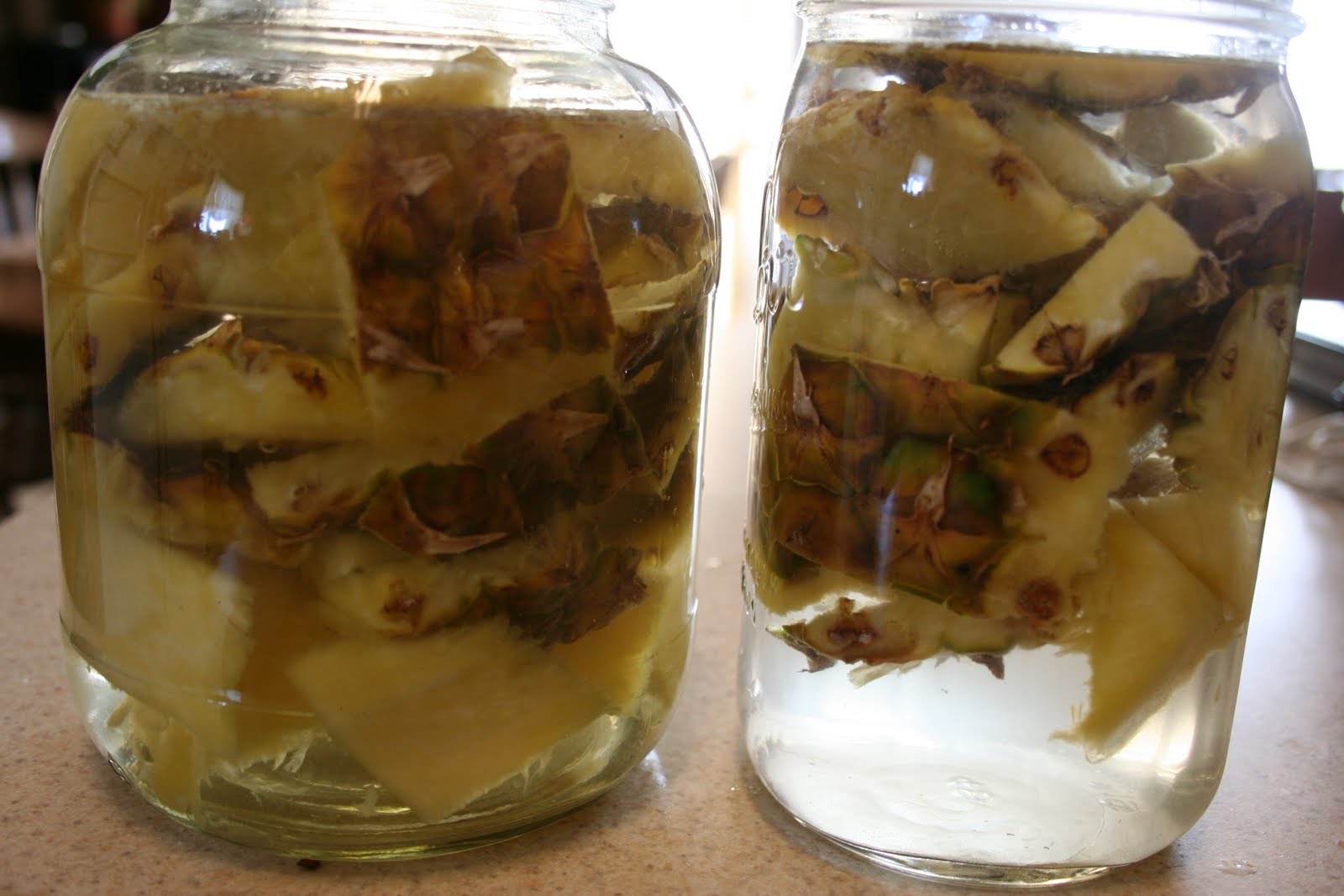

Then cover the jars with a cloth. Air needs to be able to get to the fruit, the natural yeasts in the air will start working on the sugar water and fermentation will start.

The pictures below are after three days. You can see that the liquid gets cloudy, that is good, it is part of the process. You can also see the bubbles that are forming around the top and inside the jar, that is also good, alcohol is being formed. To make vinegar we need to get past the alcohol to where it turns to vinegar.


Making vinegar can take several weeks depending on the temperature (it needs to be between 60 and 80 degrees) and how much yeast you have in the air.

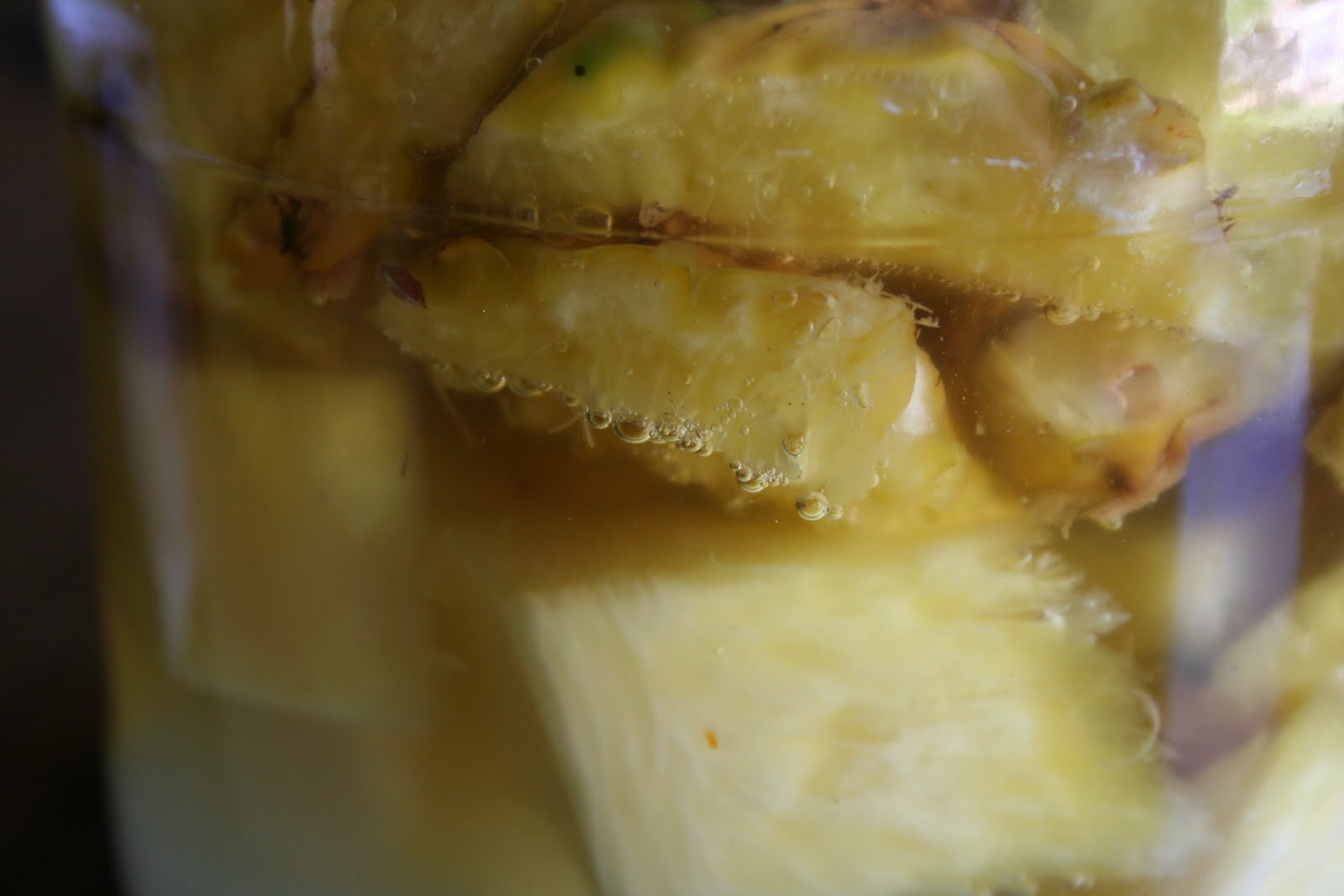
There are also a few other considerations. Sometimes bits of mold will form at the top of the jar, at the water line, just spoon it out, it won’t hurt anything. Also water will need to be added as the days go along to compensate for evaporation.

I will keep you updated as things progress, and we will talk about the “mother” and why having vinegar with the “mother” still intact is a good thing.

Happy Fathers Day Dadzoo

“I’ve been watching you, dad ain’t that cool?

I am your buckaroo, I want to be like you.

And eat all my food and grow as tall as you are.
We like fixin’ things
and holding momma’s hand

Yeah, we’re just alike, hey, ain’t we dad?
I want to do everything you do; so I’ve been watching you.”
With tears in my eyes I wrapped him in a hug.

Said, “My little bear is growin’ up.”
And he said, “But when I’m big I’ll still know what to do.”
“Cause I’ve been watching you, dad, ain’t that cool?
“I’m your buckaroo, I want to be like you.
And eat all my food and grow as tall as you are.
By then I’ll be strong as superman
We’ll be just alike, hey, won’t we dad
When I can do everything you do.
’cause I’ve been watching you.”
“I’ve Been Watching You”
Rodney Atkins

Sun Tea

Sun Tea is one of my favorite summertime beverages.
It is very simple to make, and can be a lot of fun.

The very first thing to do, is fill a big jar full of water and set it in a sunny spot outside.

Then take a walk around the yard, looking for herbs and edible plants, anything that suites your fancy. Or dig around in your cupboards and find your favorite herbal tea.


Today I picked Lemon Balm


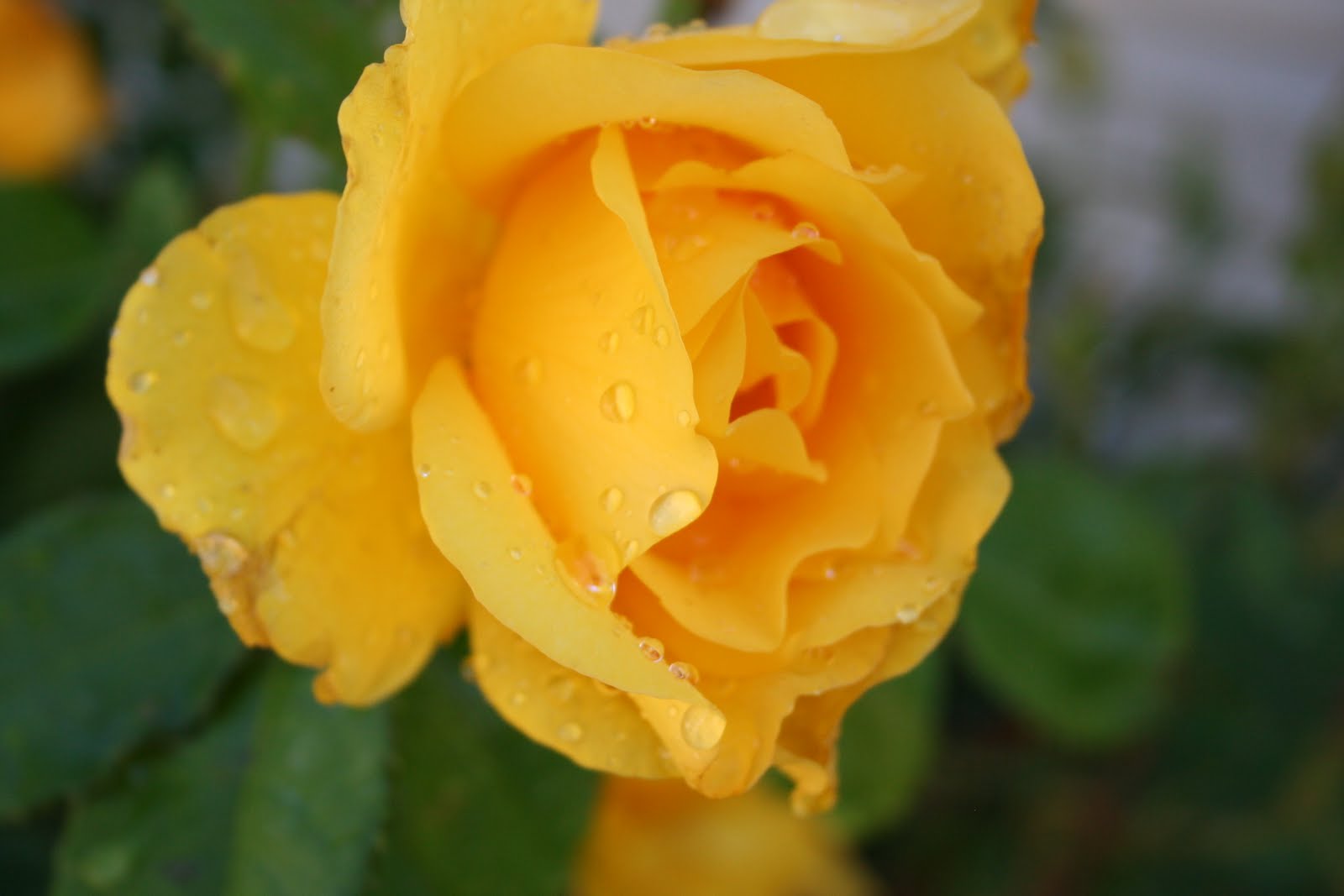
and rose petals.

(Did you know that before vanilla became easily available, ladies used rose water to flavor cakes and cookies? Rose petals have a delicate, unique flavor that I just love)

Everything gets put in the jar and sits in the sun for several hours. Once the water is nice and hot, add some honey and let it cool over night in the fridge. Or serve in a glass filled with ice, for a nice iced tea.

Bok Choy

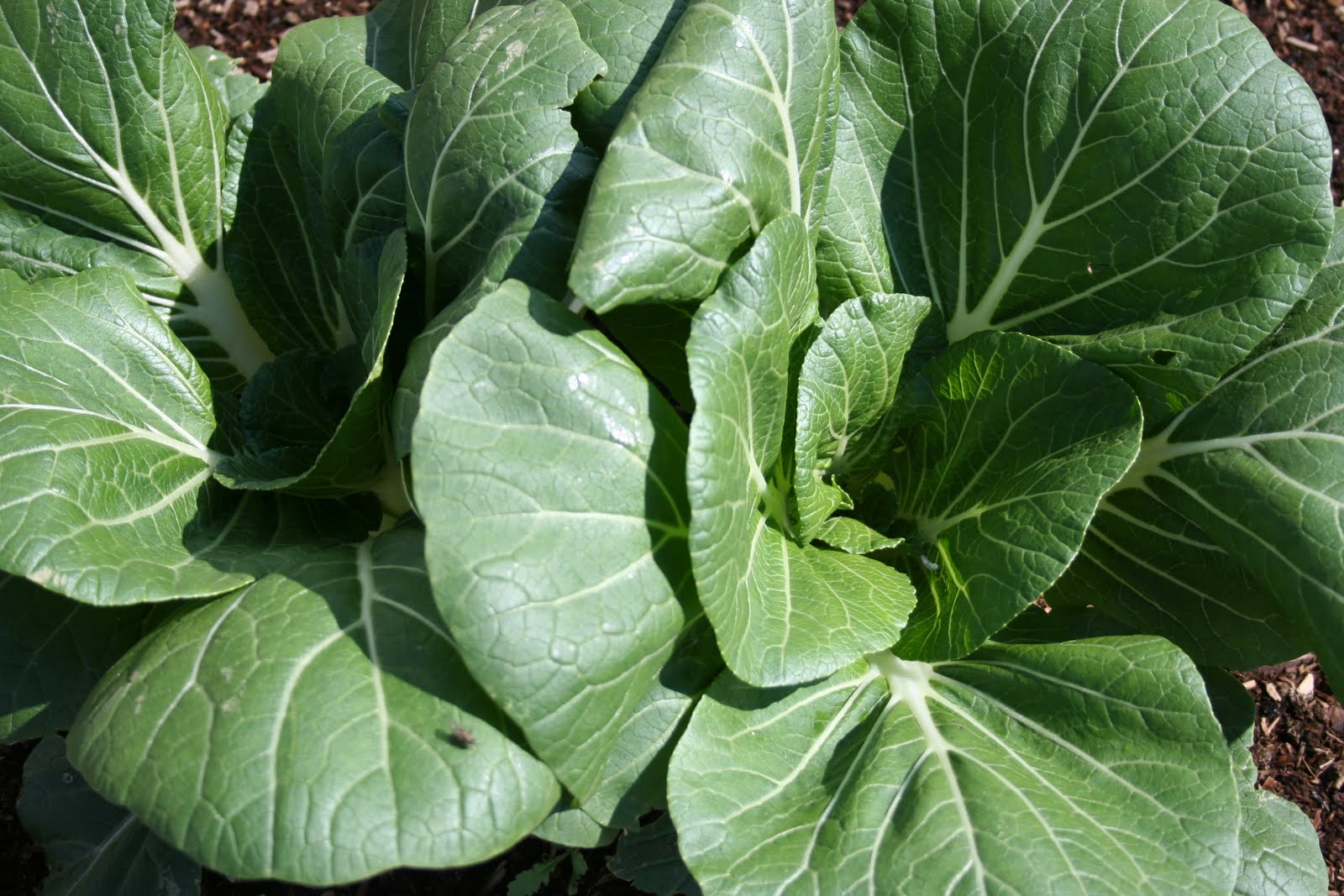
One vegetable that did extremely well in our cooler than normal spring was my Bok Choy. Which really isn’t much of a surprise, since that is the type of weather they like the best.

Bok Choy, also knows as Chinese Cabbage is used in a lot of oriental dishes and stir frys. However it can be used in any recipe as a substitute for cabbage. If you grow this vegetable in your own garden, harvest while the weather is still cool, Bok Choy quickly bitters in the heat of the summer. So it is best grown and eaten in the spring and fall. If you do plant and harvest in the summer time, harvest them very small and they should still be nice and sweet.

Cooking a Bok Choy is very simple. First you separate the leaves and give it a good washing in cold water.


Then you separate the stalks from the leaves,
and chop the stalks into uniform sizes.
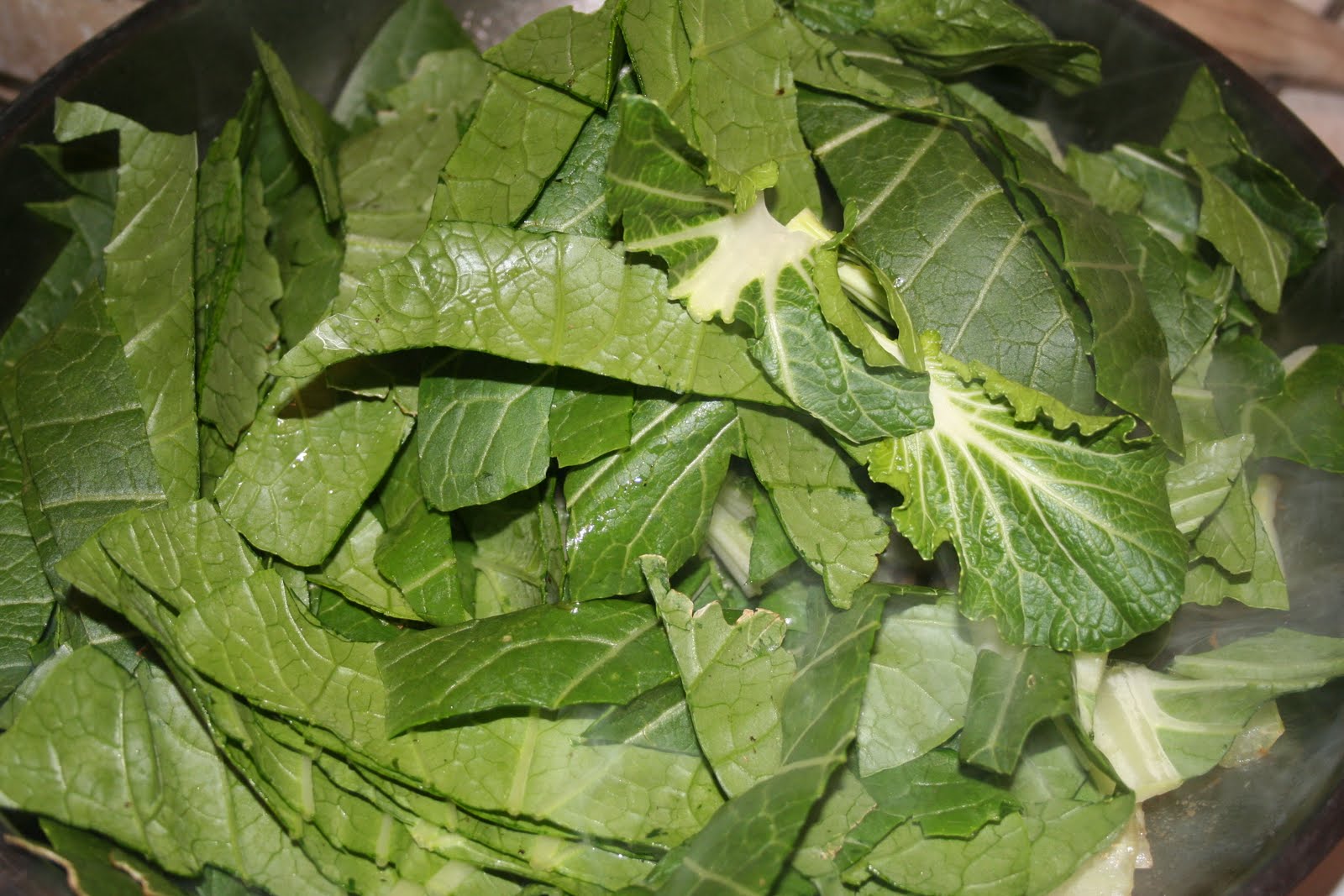
Then chop the leaves to your desired size.
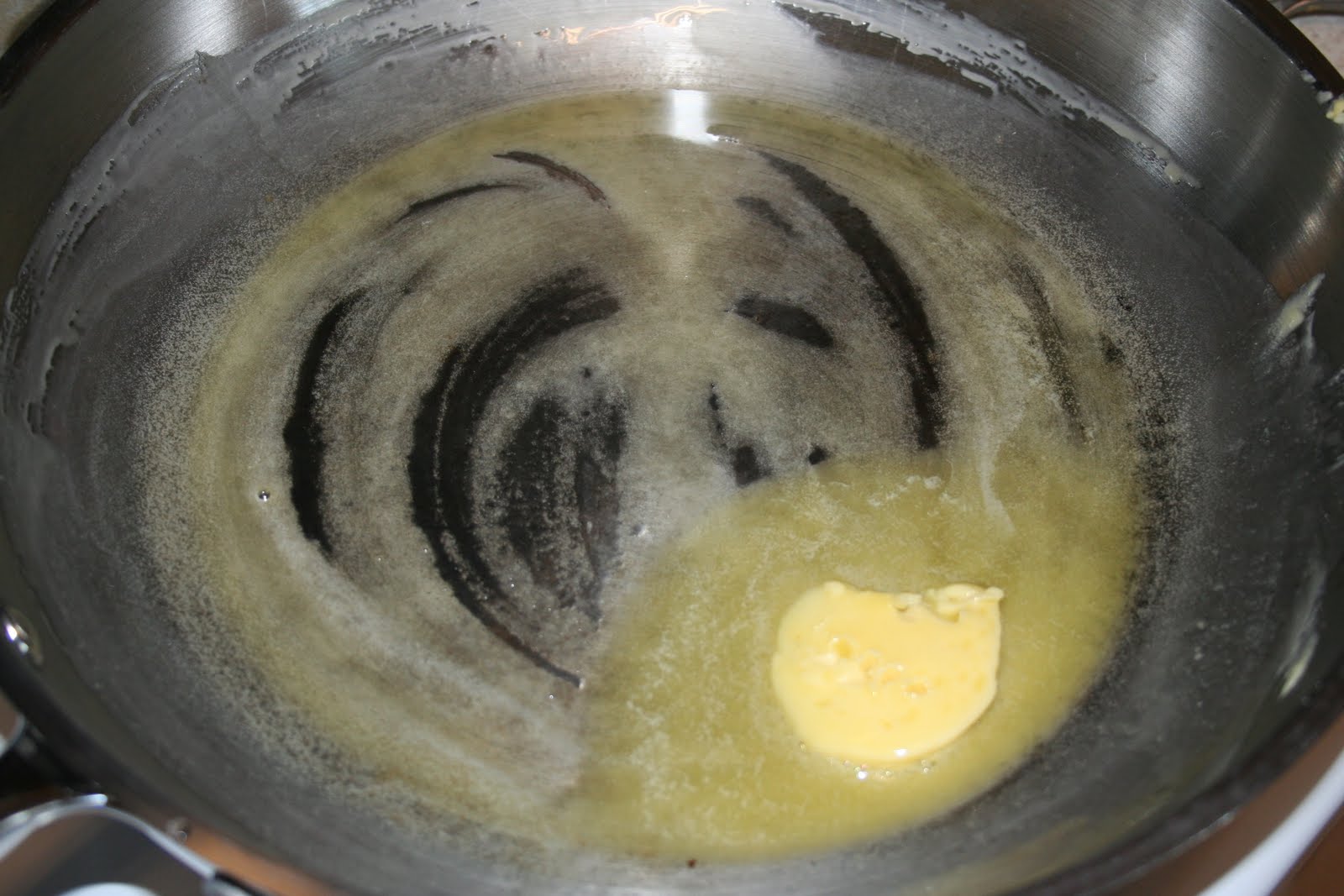
I like to cook my Bok Choy in good old fashioned butter, but olive oil works well too.

To the melted butter add the stalks and saute until they are nice and soft, this takes about 5 minutes.

Then add the leaves, cover the pan and cook until they are wilted. You don’t need to add any water or extra butter at this point, there is enough water in the leaves that they will steam themselves.
Serve with salt and pepper
and
Enjoy!

Take A Walk

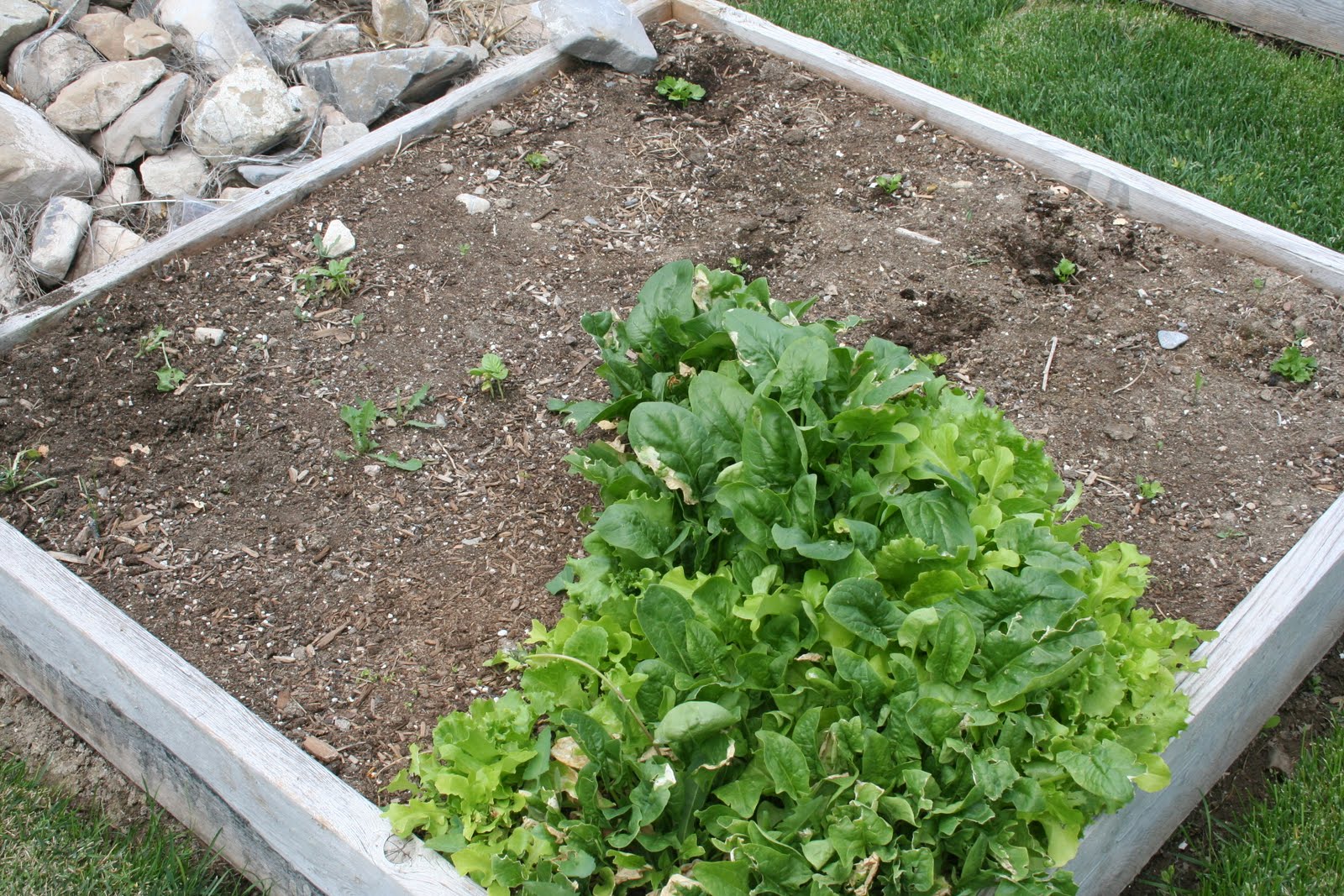
We are off to the pool today, so I thought I would leave you today with pictures of my pitiful garden.

That big empty spot was victim to stray round-up and those nasty little beetles.

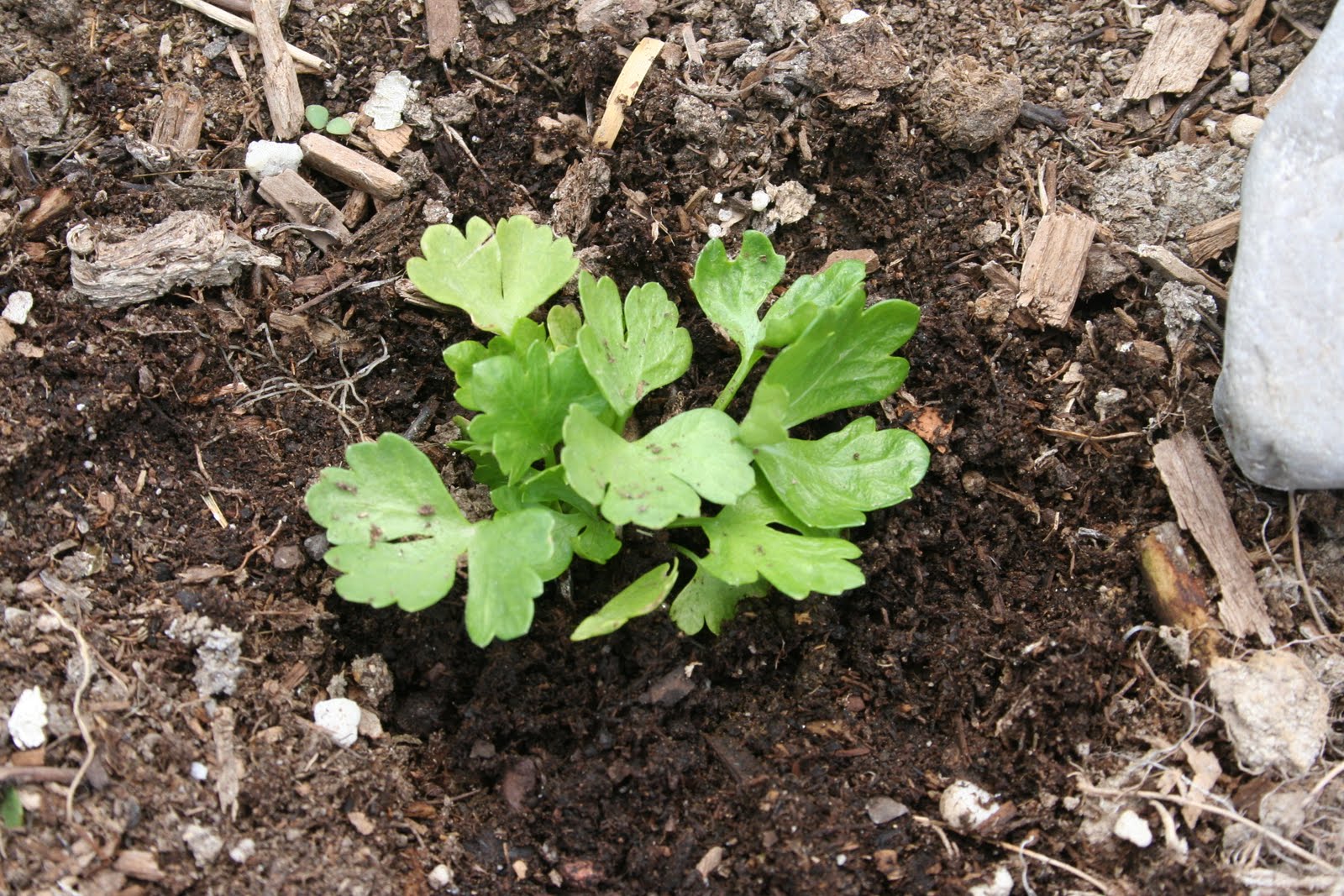
Baby Celery

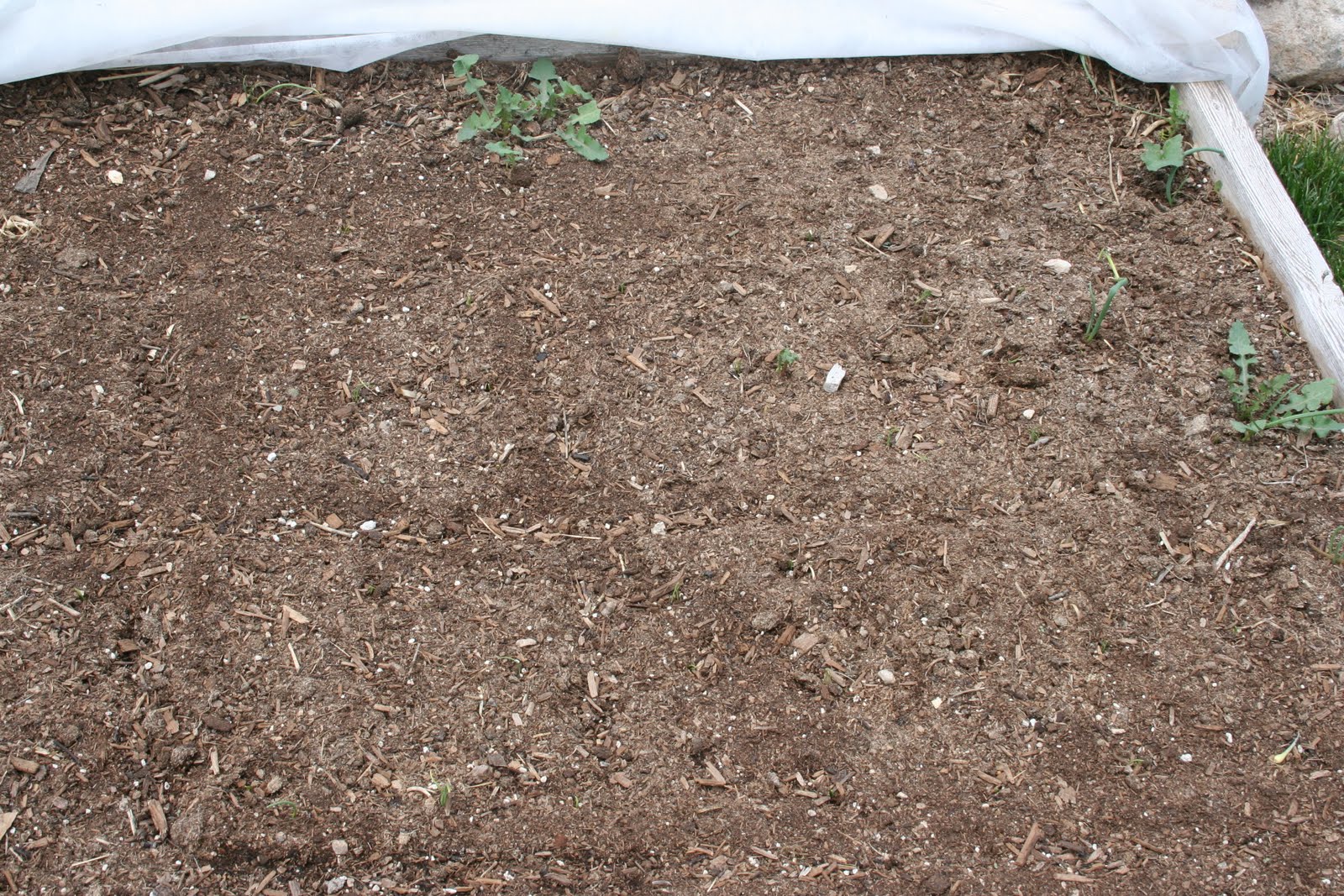
While this bed looks empty, it is really full of onions…my second planting of onions….the first planting came up and promptly died. It was a combination of a few factors that caused their death….most of which were my fault.

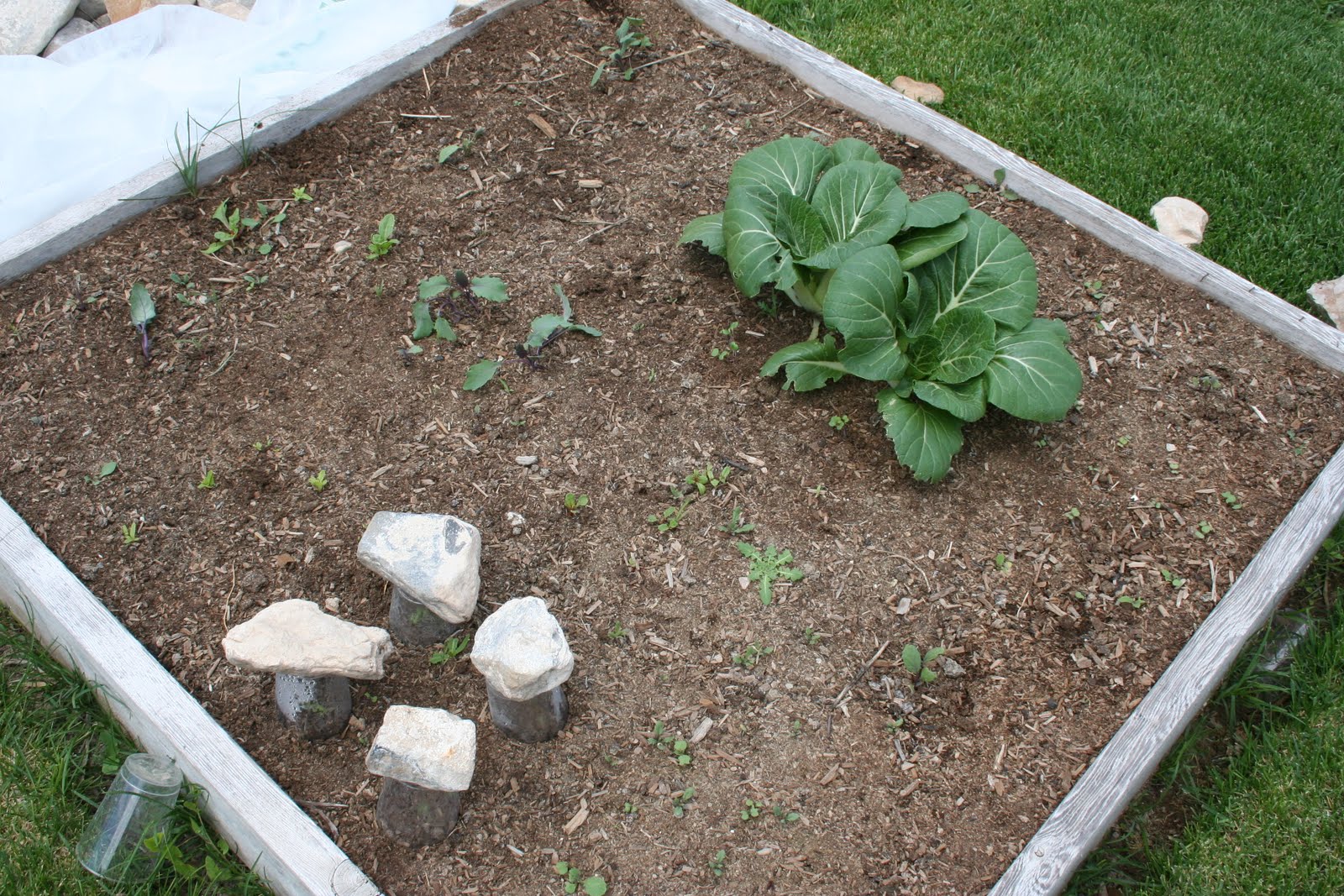
This bed is full of seedlings, except for those two beautiful Bok Choy. We ate those on Sunday.
I have pictures.

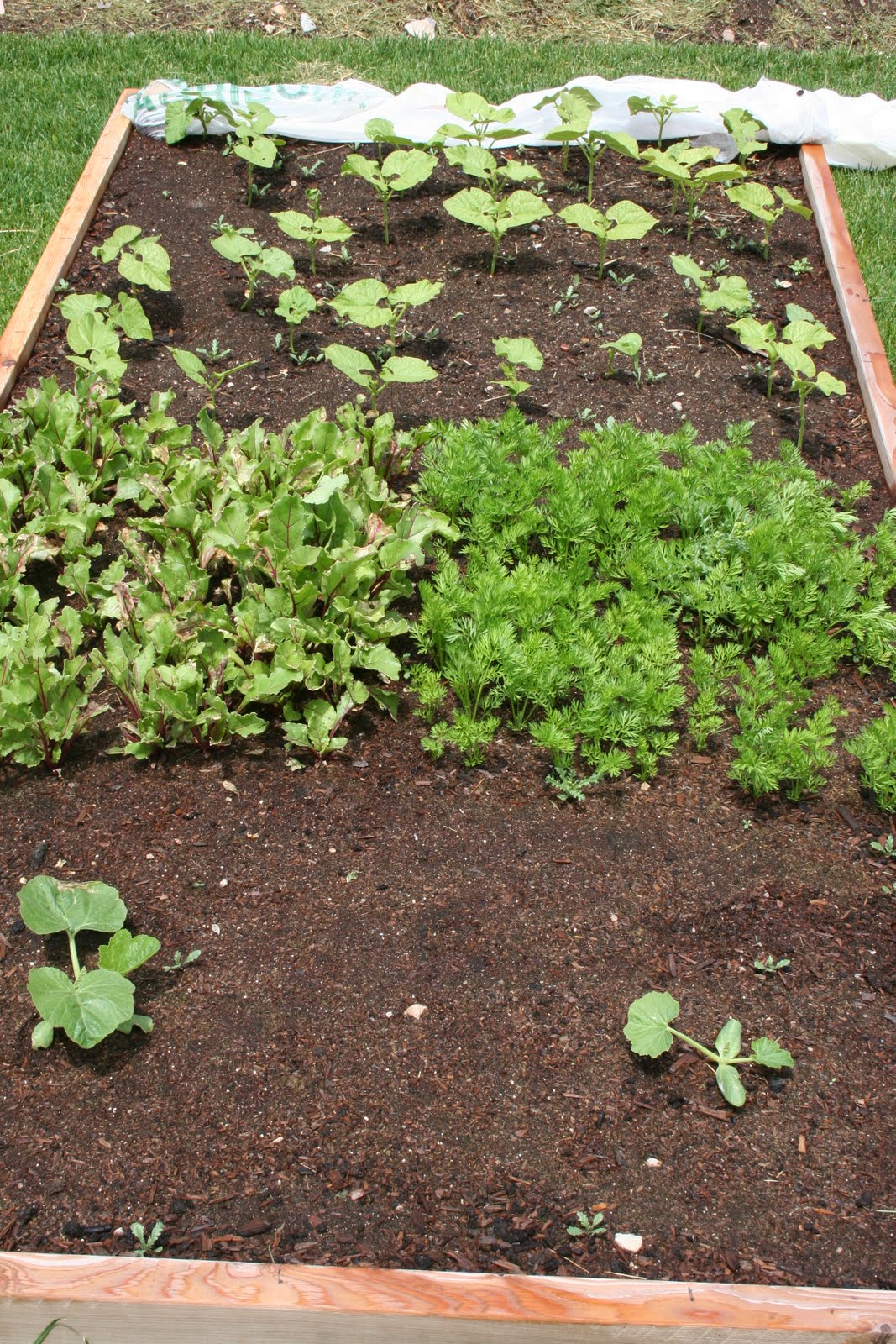
This bed, which is doing wonderfully. Is full of Carrots, Beans, Parsnips, Turnips and Rutabaga.

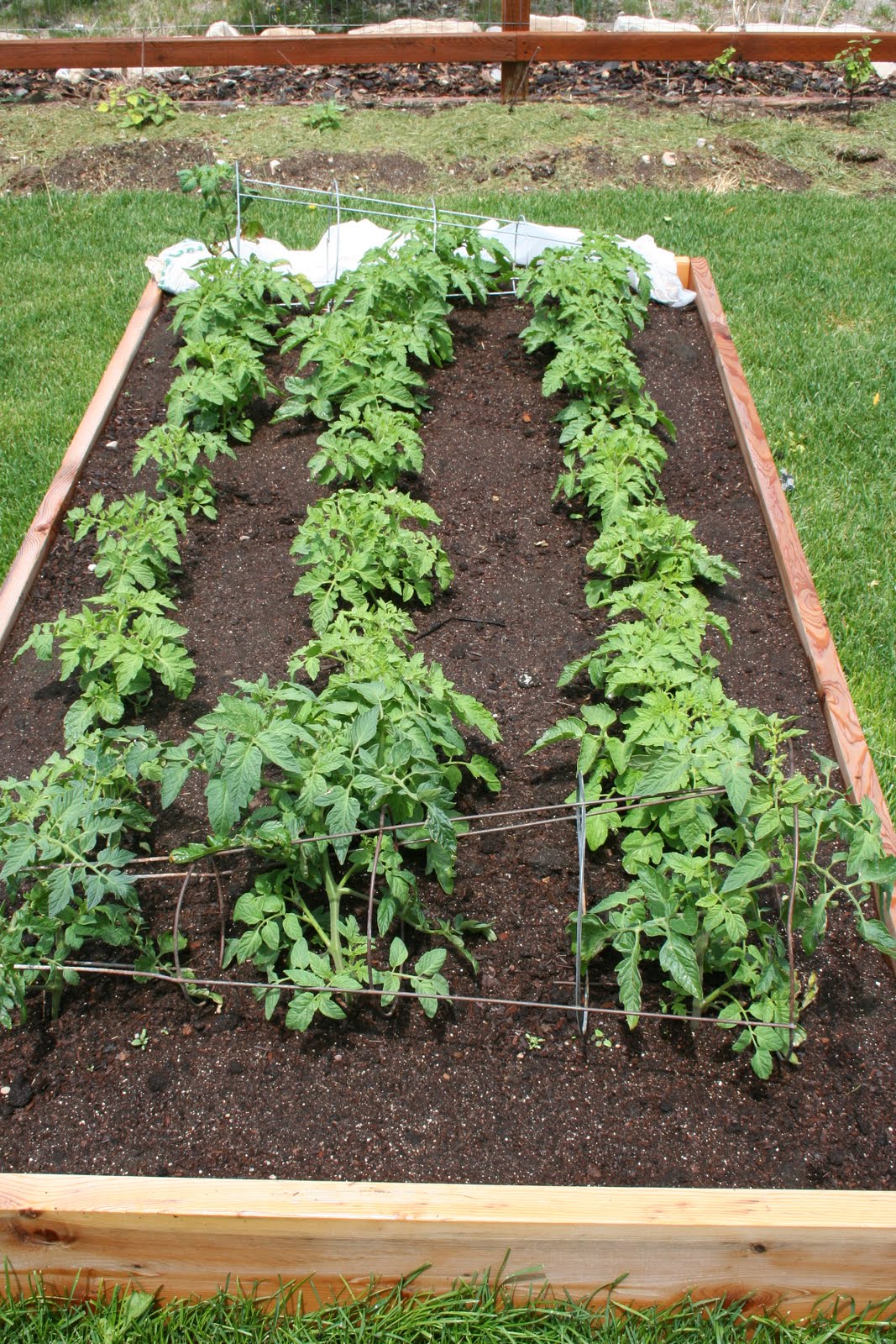
Tomatoes


Beans, Carrots, Beets and Zucchini.

How is you garden doing this year?